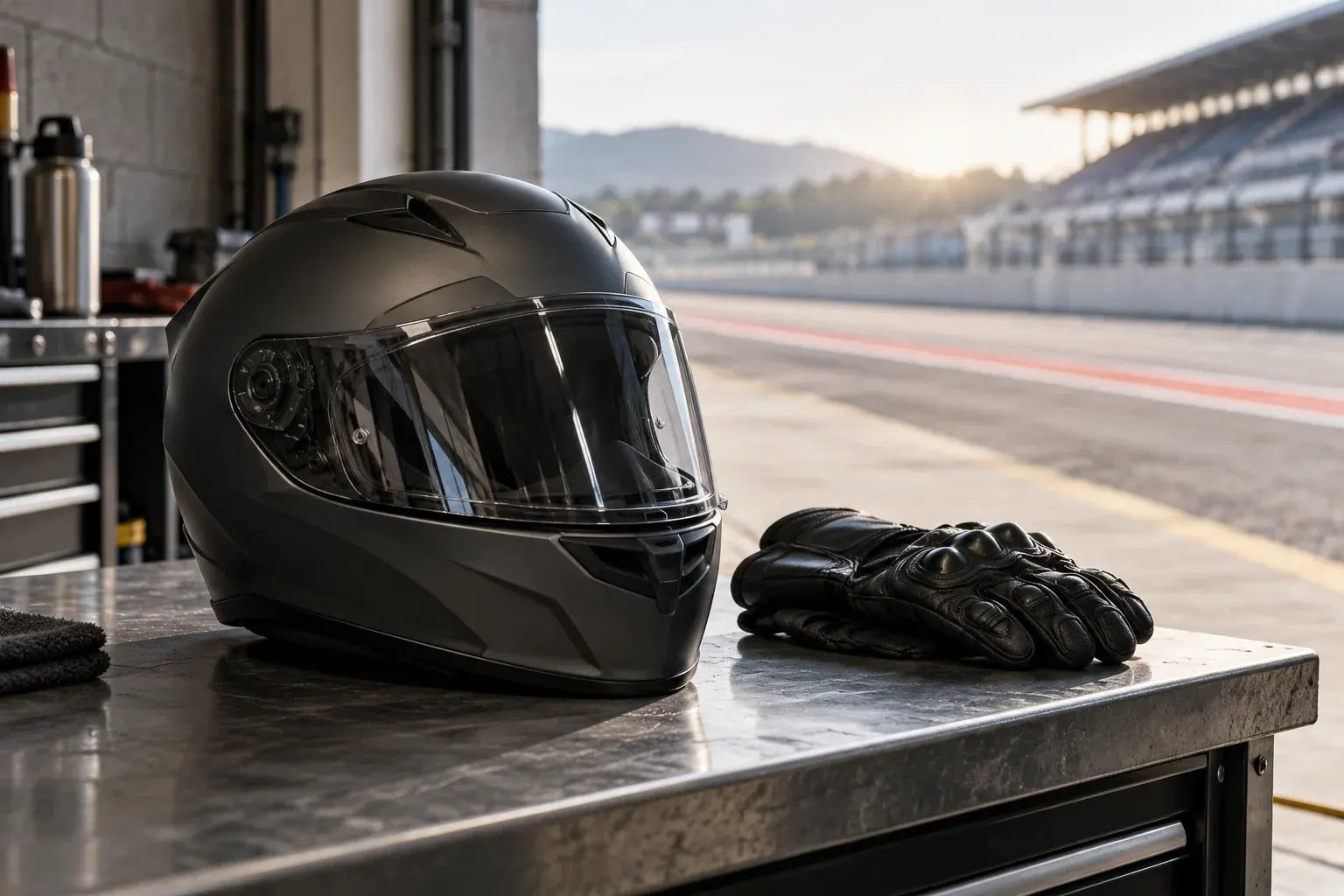
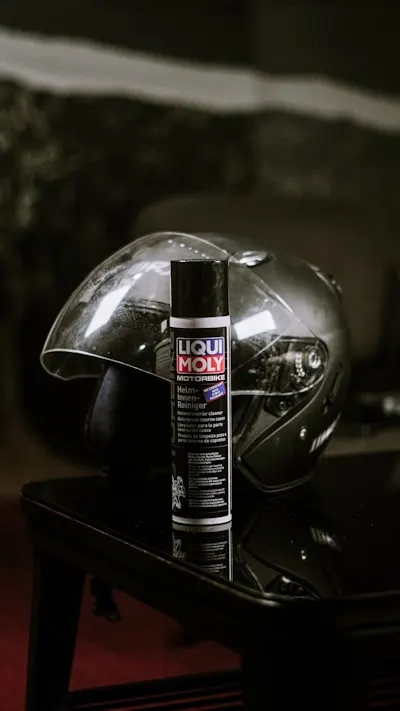
Your helmet works hard every ride — absorbing sweat, UV radiation, road grime, and the occasional insect collision. Keeping it clean isn’t just about aesthetics: proper maintenance preserves the structural integrity of the EPS liner, extends the lifespan of the interior padding, and ensures your visor stays crystal-clear when it matters most.
This guide walks you through everything you need to know about cleaning and maintaining your helmet the right way.
How Often Should You Clean Your Helmet?
The exterior shell and visor should be wiped down after every ride in wet or dirty conditions. The interior padding should be cleaned monthly with regular use, or every two weeks if you ride daily. A deep clean — including full liner removal and wash — should happen every three to six months.
What You’ll Need
Gather the following supplies before you begin: a microfiber cloth or two, a soft sponge, mild soap or dedicated helmet cleaner (avoid products with alcohol, ammonia, or petroleum solvents), lukewarm water, a visor cleaning cloth or Pinlock-safe wipe, and a soft toothbrush for ventilation ports and seams.
Cleaning the Exterior Shell
Start by wetting a microfiber cloth with lukewarm water and a drop of mild soap. Gently wipe the shell in straight lines — avoid circular scrubbing, which can leave micro-scratches in matte or gloss finishes. Pay special attention to the chin vent areas where dirt and dead insects accumulate. Never use gasoline, acetone, or household cleaning sprays on the shell — these solvents can dissolve the paint and weaken the underlying composite material.
For stubborn bug splatter, lay a damp cloth over the affected area for 3–5 minutes to soften it before wiping. Never scrape with fingernails or abrasive pads.
Cleaning the Visor
The visor is the most delicate part of your helmet. Use only products specifically designed for polycarbonate or scratch-resistant visors. Spray cleaner onto a soft cloth — never directly onto the visor — and wipe gently. If your visor has an anti-fog or anti-scratch coating, check that your cleaner is compatible. Rinse with clean water and allow to air dry, or blot (don’t wipe) with a microfiber cloth.
Never clean a visor while it’s warm, as heat can cause cleaning agents to streak or bond.
Cleaning the Interior Padding
Most modern helmets feature removable cheek pads and liner systems. Remove these according to your helmet’s manual and hand-wash them with mild detergent in cool water. Squeeze gently — never wring or twist — and allow to air dry naturally away from direct sunlight or heat. Tumble drying will damage the foam inserts.
If your liner is not removable, soak a sponge in mild soapy water, squeeze it so it’s damp (not dripping), and gently scrub the interior padding. Use a clean damp sponge to rinse, then allow the helmet to air dry thoroughly before storing — at least 24 hours. Never store a damp helmet in a bag or case.
Cleaning Ventilation Ports
Use a soft toothbrush to gently scrub the intake and exhaust vents. These small channels trap road dust, pollen, and debris that can block airflow and harbor bacteria. A can of compressed air can also dislodge buildup from hard-to-reach internal duct work.
What to Avoid
Never use household glass cleaners, kitchen sprays, or products containing alcohol on your helmet — they can degrade the shell material and inner foam. Never submerge a full helmet in water. Never use a pressure washer or direct shower. Never dry with a hairdryer, radiator, or in direct sunlight, as heat degrades the EPS liner’s ability to absorb impact.
Storing Your Helmet Correctly
Store your helmet in a cool, dry place away from direct sunlight and heat sources. Use the included helmet bag or a soft cloth storage pouch to prevent scratches. If you need to store it long-term, keep it in its original box or a hard case. Avoid placing it on hard surfaces where it can roll and fall — helmet drops, even from low heights, can compromise the EPS foam inside.
When to Replace Your Helmet
Even a perfectly clean, well-maintained helmet has a lifespan. Replace yours every 5 years from the date of manufacture (not purchase), or immediately after any significant impact — even if there’s no visible damage. The EPS liner absorbs impact energy permanently and cannot “reset” after a crash.
A clean, well-maintained helmet is a safer, more comfortable helmet. These simple habits take minutes but can significantly extend the life of your gear and ensure it performs when you need it most.