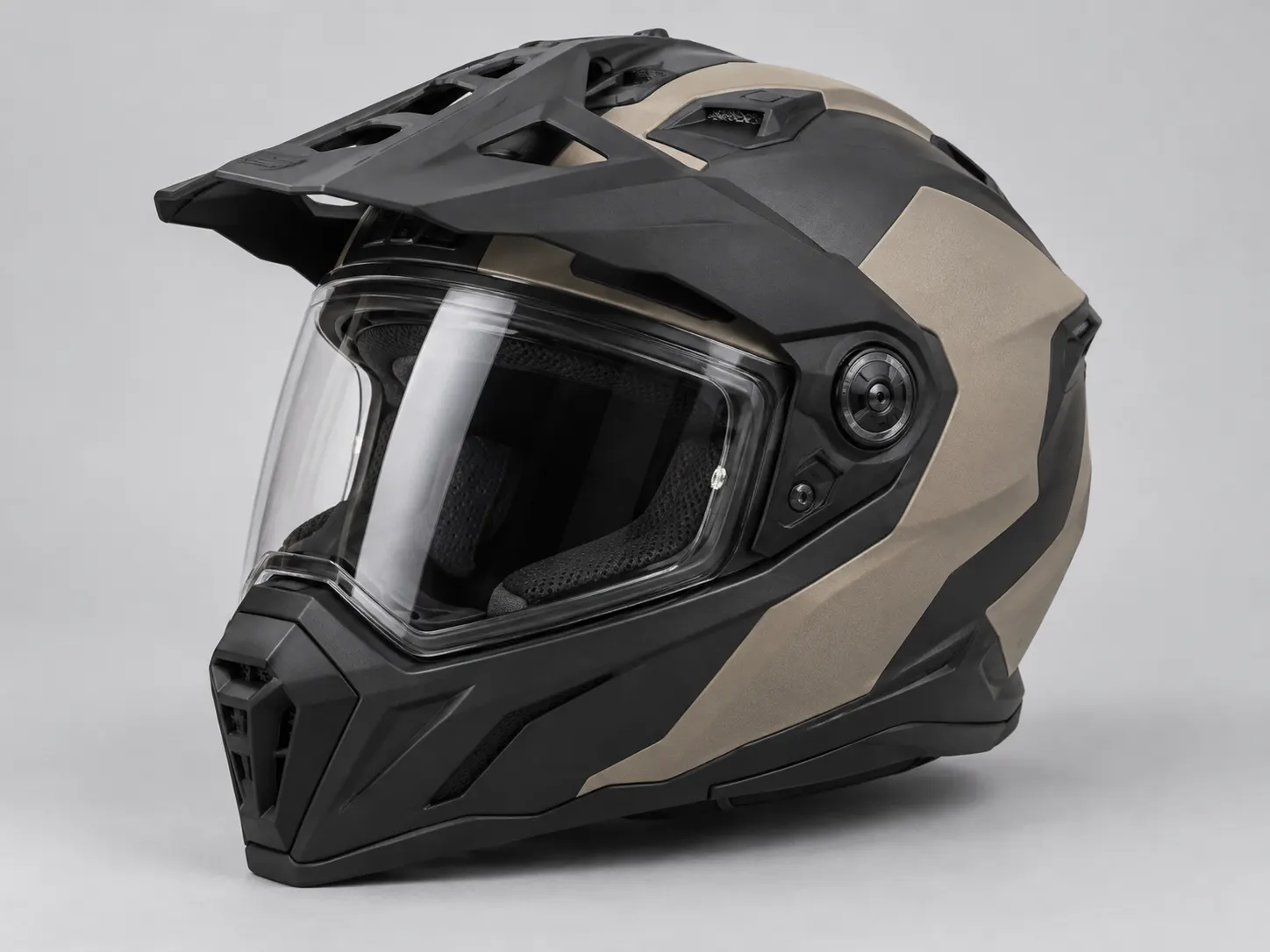
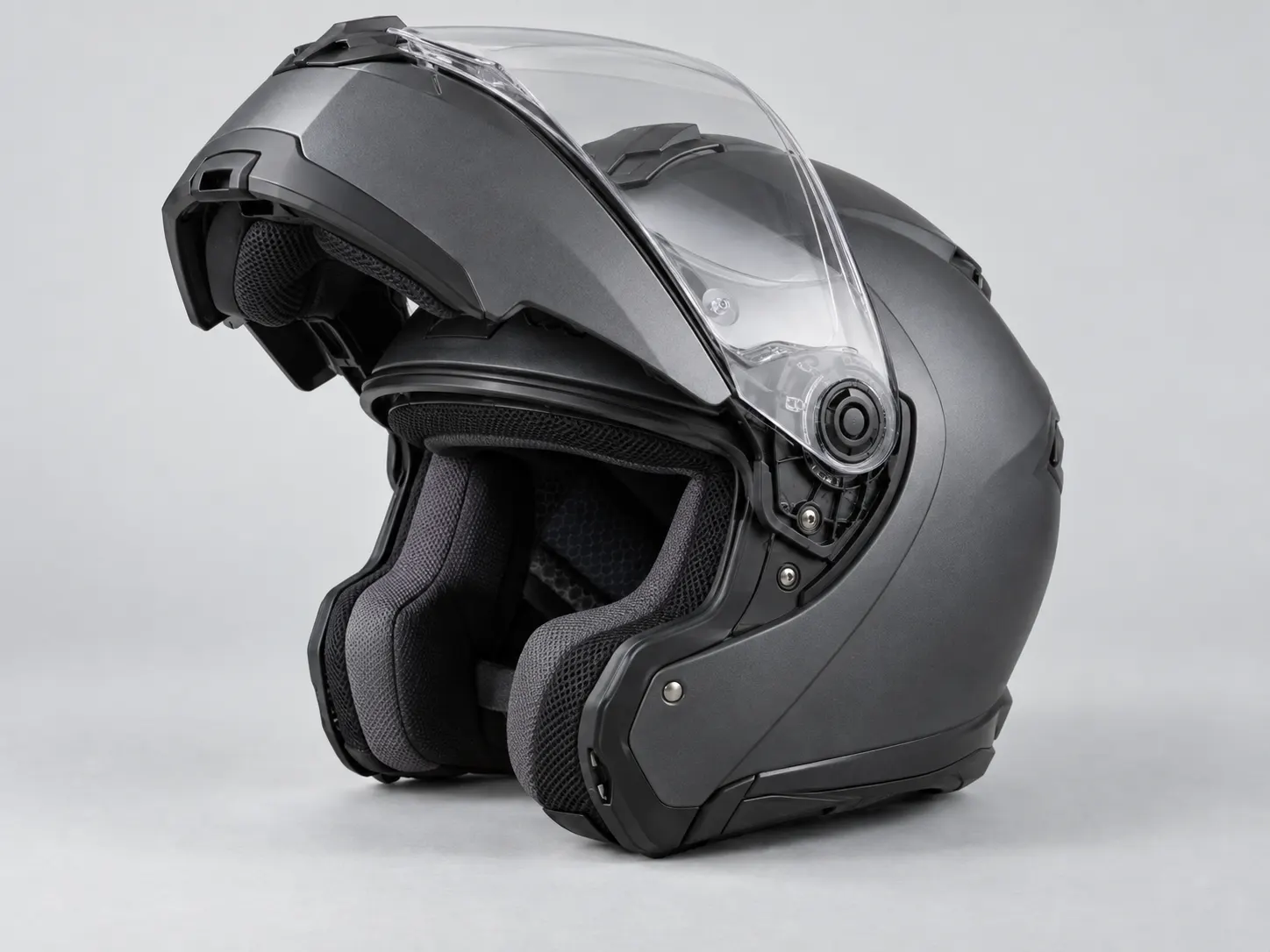
Modular motorcycle helmet

Modular vs Full-Face Helmets: Which One Is Right for You?

Modular or full-face? We break down the key differences in protection, comfort, weight, and price to help you choose the perfect helmet.

When it comes to motorcycle helmets, two styles dominate the debate: the traditional full-face and the increasingly popular modular (flip-up) design. Both offer strong head protection, but each has distinct advantages that make them better suited to different riders and use cases. Here’s an in-depth comparison to help you make the right call.

What Is a Modular Helmet?

A modular helmet — also called a flip-up helmet — features a hinged chin bar that pivots upward over the top of the helmet. This allows the rider to open the front of the helmet without removing it entirely, making it easy to take a phone call, eat a snack, or pay a toll without fully undressing. When the chin bar is locked in the closed position, it functions similarly to a full-face design.

What Is a Full-Face Helmet?

A full-face helmet is a single-piece shell that encloses the entire head, including the chin. There are no moving parts — which means no mechanical failure points. The chin bar is a permanent, structural part of the shell, offering the highest available level of impact protection.

Protection: Full-Face Wins Marginally

Because the chin bar on a full-face helmet is a fixed structural element rather than a hinged component, it is inherently more rigid under impact. The hinge mechanism on modular helmets introduces a potential weak point in the event of a severe crash. That said, premium modular helmets — especially ECE 22.06-certified models — are tested in both open and closed positions and must pass strict safety requirements. For most real-world riding scenarios, a quality modular helmet provides excellent protection.

Comfort and Convenience: Modular Wins

Modulars are the undisputed winner for rider comfort and convenience. The ability to flip the chin bar up at a gas station or restaurant, or to have a quick conversation without shouting through a full-face visor, is a significant quality-of-life advantage. Many touring and commuting riders swear by modulars specifically for this reason. Wearing glasses is also dramatically easier with a flip-up design.

Weight and Aerodynamics: Full-Face Wins

The hinge mechanism in a modular helmet adds weight — typically 0.2–0.5 lbs more than a comparable full-face. Over the course of a long ride, this neck fatigue can add up. Full-face helmets also tend to have more refined aerodynamics since their shells are optimized as a single, uninterrupted form — no hinge gaps or seals to disturb airflow.

Price: Similar Across Quality Tiers

Entry-level modular helmets often cost slightly more than entry-level full-face helmets due to the added mechanical components. However, at the mid and premium tiers, prices are comparable. You’ll find excellent examples of both types in the $200–$700 range.

Who Should Choose a Modular Helmet?

Modular helmets are ideal for touring riders who cover long distances and make frequent stops, commuters who need to communicate often, riders who wear glasses or need to eat or drink on route, and anyone who finds the fully enclosed feeling of a full-face helmet claustrophobic.

Who Should Choose a Full-Face Helmet?

Full-face helmets are ideal for sport and track riders who prioritize maximum protection, riders focused on aerodynamics and lightweight design, and those who ride primarily at high speeds on open roads.

The Verdict

There is no objectively “better” helmet type — only the right helmet for your specific needs. If convenience and touring comfort top your list, a premium modular like the Schuberth C5 or Shoei Neotec 3 is a superb choice. If raw protection and lightweight aerodynamics matter most, go full-face with an Arai or Shoei. Either way, prioritize fit, certification, and quality above all else.