Open face motorcycle helmet

Open-Face Helmets: Style, Freedom, and What You’re Giving Up

Open-face helmets offer freedom and style — but at a cost. Here's what you gain, what you give up, and our top picks for 2025.

Few helmets have as devoted a following as the open-face — also known as the 3/4 helmet. Beloved by cruiser riders, cafe racer enthusiasts, and urban commuters, the open-face helmet blends classic aesthetics with genuine head protection. But understanding what you gain — and what you sacrifice — is essential before you make it your daily lid.

What Is an Open-Face Helmet?

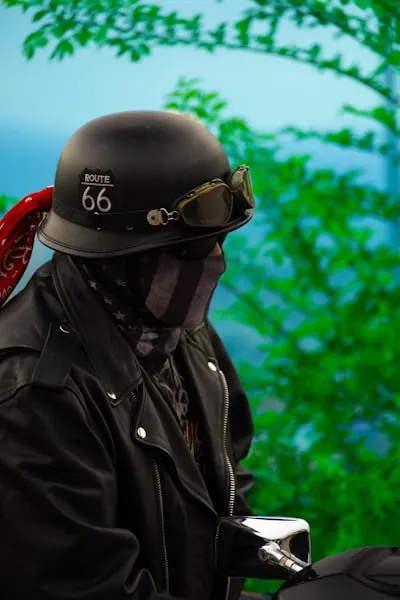
An open-face helmet covers the top, back, and sides of your head, but leaves the face fully exposed. Most models include a snap-on or swing-out visor or shield, but the chin and lower jaw remain completely unprotected in a crash. This is the fundamental trade-off at the heart of the open-face design: maximum visibility and airflow in exchange for chin bar protection.

The Appeal of Open-Face Helmets

Open-face helmets are unmatched for sensory riding. The wind on your face, the ability to communicate easily at traffic lights, the wider peripheral field of view, and the classic visual aesthetic make them deeply appealing to a specific type of rider. They’re also significantly lighter than full-face helmets and feel less claustrophobic — a meaningful factor for riders who struggle with the enclosed feeling of a full-face design.

For low-speed urban riding, short commutes, and classic or vintage-style bikes, the open-face remains a perfectly reasonable choice when paired with a proper face covering like a scarf, balaclava, or purpose-built riding mask for cold weather.

The Safety Honest Truth

Statistics are clear: chin and face injuries account for a significant portion of crash-related head trauma. A rider wearing an open-face helmet during a forward impact has no protection for the lower third of their face. This doesn’t mean open-face helmets are unsafe — they still offer substantial protection for the skull and brain — but it does mean you accept increased risk to your jaw, teeth, nose, and face.

For highway riding, high-speed touring, or any situation where crash velocities are likely to be high, a full-face or modular helmet is strongly recommended.

Best Open-Face Helmets of 2025

The Bell Custom 500 is the definitive modern cafe racer helmet — lightweight fiberglass shell, clean lines, and a wide range of custom graphics. It carries DOT certification and accepts aftermarket bubble visors for a vintage look. The Shoei J-O is the premium open-face option for riders who want Japanese craftsmanship and a refined fit system. Its integrated wire frame holds its shape perfectly and features an advanced ventilation system unusual in the open-face category. For budget riders, the HJC IS-33 II delivers solid ECE and DOT dual-certification at an accessible price point, with a built-in sun visor that adds genuine versatility.

Pairing Your Open-Face Helmet

To maximize protection with an open-face helmet, always wear a proper face covering in cold or wet weather to prevent wind chill and reduce the impact of debris. Goggles or a snap-on visor are essential for eye protection — do not ride with an open face and unprotected eyes at any speed. Consider a neck brace or cervical collar for off-road open-face use.

Open-Face Helmet Certifications to Look For

Open-face helmets are tested to the same standards as full-face helmets but without the chin bar component. Look for DOT (FMVSS 218) certification for U.S. road use, or ECE 22.06 for international riding. Avoid novelty helmets that lack any safety marking — these offer minimal real-world protection and are illegal on public roads in most jurisdictions.

Who Should (and Shouldn’t) Wear an Open-Face Helmet

Open-face helmets are well-suited to urban and low-speed commuters, classic and vintage motorcycle riders, scooter riders in warm climates, and riders who prioritize comfort, visibility, and style for leisurely rides. They are not recommended as the primary helmet for highway riding, sport or aggressive riding, new riders still developing crash avoidance skills, or any riding context where high-speed impacts are possible.

Final Thoughts

The open-face helmet is not a compromise — it’s a deliberate choice with a specific cost-benefit profile. If you understand what you’re trading and your riding context aligns with its strengths, a quality open-face helmet is a legitimate and enjoyable option. Just make sure yours carries genuine safety certification and pair it with appropriate eye and face protection for every ride.