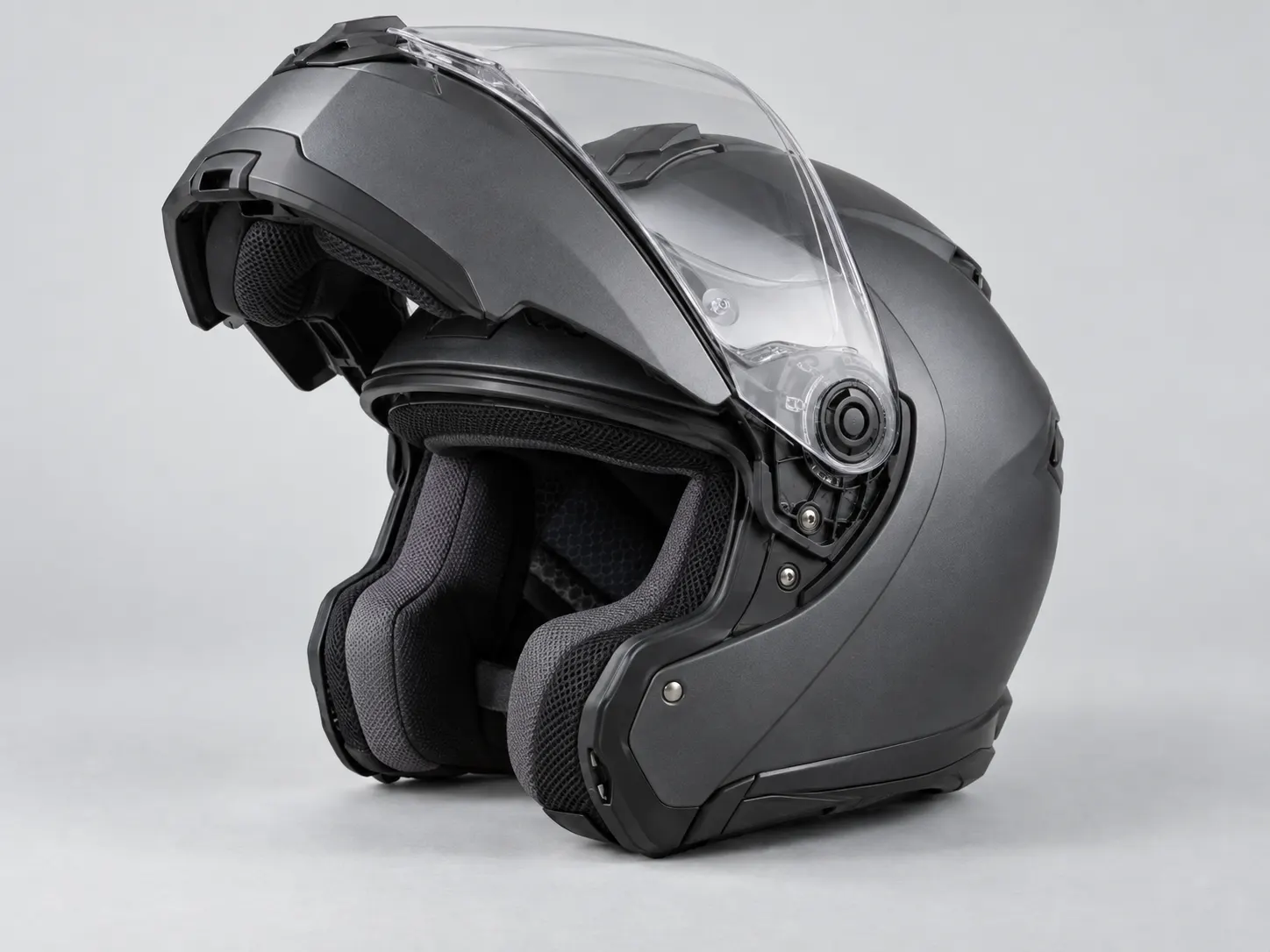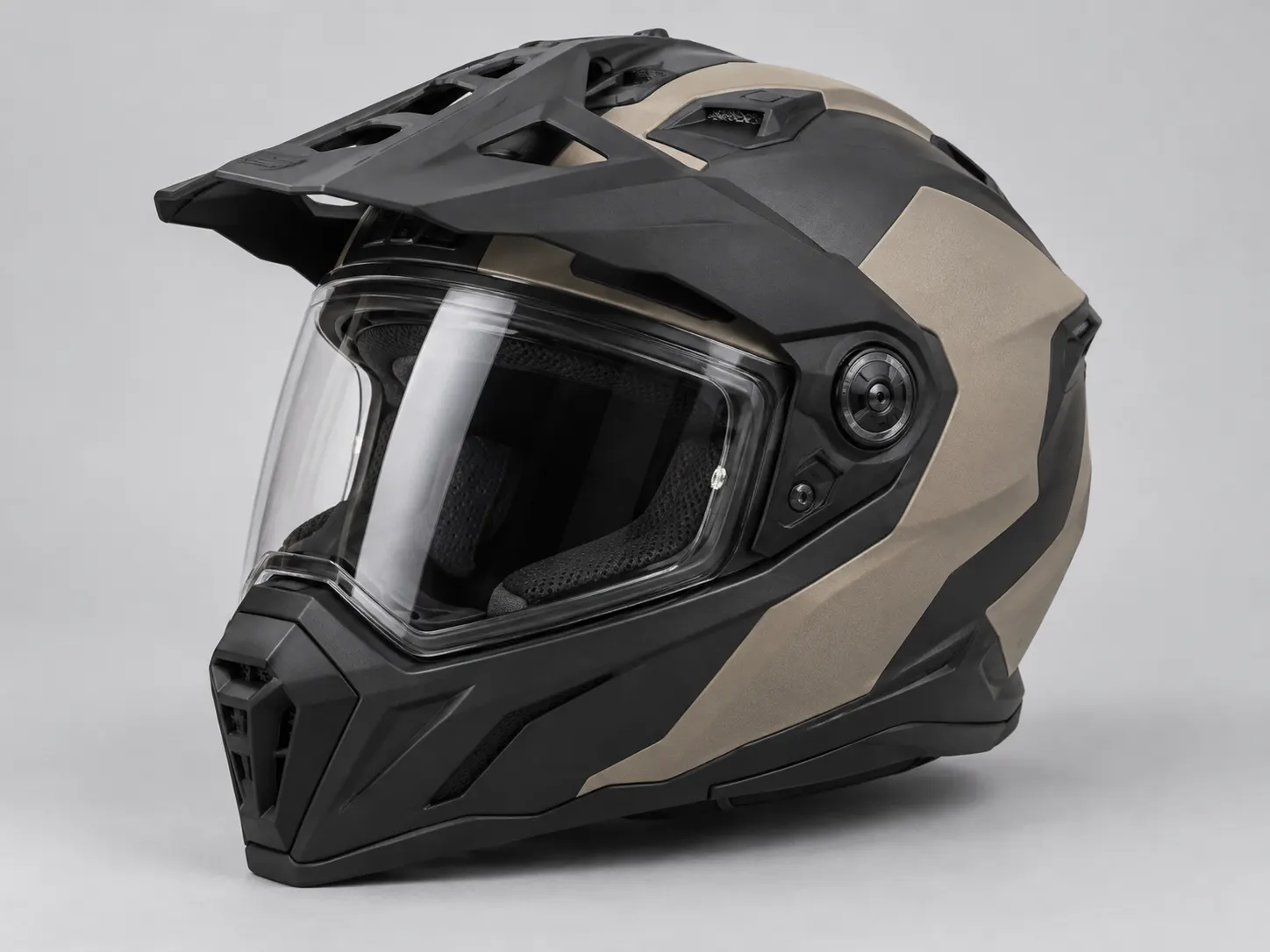
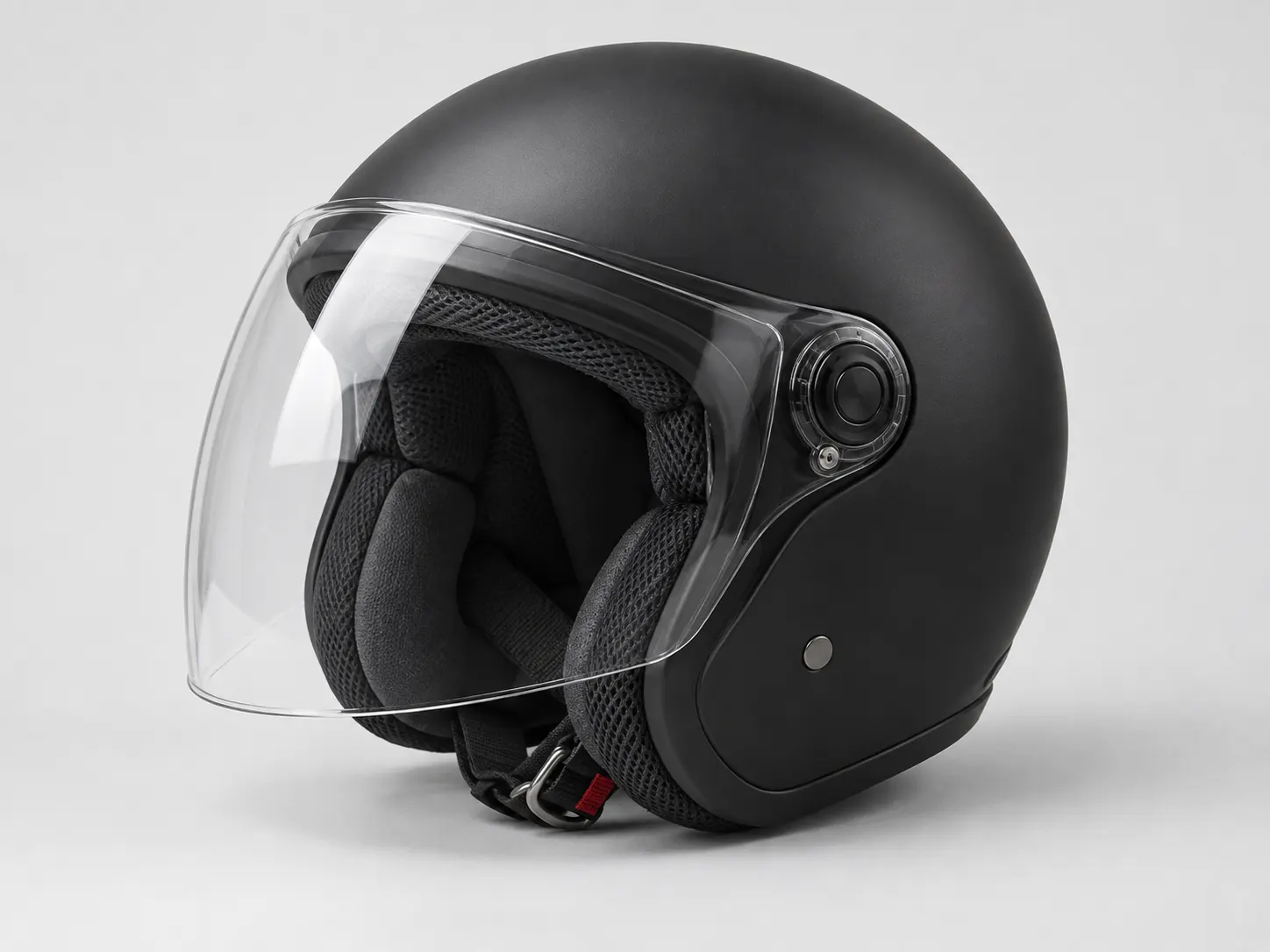
Modular motorcycle helmet

Open Face vs Full Face Helmets: Which Should You Choose?

Open face or full face? It's one of the most common questions in motorcycling. We break down the protection, comfort, and practical differences to help you make the right choice for your riding.

The choice between an open-face and full-face helmet is about more than preference — it’s a decision with real safety implications that are worth understanding clearly before you make it. Here’s an honest breakdown of both types.

The Protection Difference

The most important difference is chin and face protection. Research consistently shows that the chin bar accounts for roughly 19–35% of all impacts in motorcycle crashes — it is one of the most commonly struck areas of the helmet. An open-face helmet provides no protection to this area. A full-face helmet’s chin bar is specifically tested as part of ECE 22.06 certification. This is not a marginal difference — for riders who prioritise maximum protection, the full-face is the correct choice.

Both helmet types provide equivalent protection to the crown, sides, and back of the head when certified to the same standard. The difference is specifically chin, jaw, and lower face coverage.

When Open Face Makes Sense

Open-face helmets are genuinely suitable for certain use cases. Urban and low-speed commuting — where crash speeds are lower and the convenience of easy communication (with pedestrians, at drive-throughs, at junctions) has practical value — is the primary use case. Café racer and classic motorcycle culture has long used open-face helmets as part of the aesthetic, typically paired with goggles. For riders whose primary use is urban short-distance riding, the open-face is a reasonable compromise.

When Full Face is the Right Choice

For motorway and A-road riding, touring, any riding above 50mph, and track days, a full-face helmet is the correct choice. At higher speeds, the aerodynamic and noise advantages of a sealed chin bar are significant — open-face helmets are considerably louder at speed, and wind blast to the face becomes fatiguing on longer runs. Most circuit operators require full-face helmets for track use.

The Modular Compromise

Modular (flip-front) helmets offer a middle ground — the protection of a full-face when the chin bar is closed, with the convenience of an open-face when stopped or filtering. The Shoei Neotec 3 and Schuberth C5 are both ECE 22.06 certified in both positions, meaning they meet the full safety standard regardless of chin bar position. For riders who value the flexibility, a quality modular is the most practical solution — though the best are more expensive than comparable full-face lids.

Noise: A Practical Consideration

Open-face helmets are significantly louder than full-face alternatives at any speed above urban limits. Sustained exposure to wind noise above 85dB causes hearing damage over time — and open-face helmets at 60mph typically exceed this. If you use an open-face for anything beyond short urban trips, earplugs are not optional — they are a genuine hearing health measure.

Our Recommendation

For most riders doing most types of riding, a full-face helmet is the right choice. The chin bar protection is meaningful, the noise reduction is substantial on longer rides, and modern full-face helmets are lighter and more comfortable than ever. Open-face helmets have their place — primarily for urban riders who make a considered choice about the trade-offs. The modular is the practical solution for riders who want genuine flexibility.