Track Day Helmet Requirements: What You Need to Know

Track days have specific helmet requirements that differ from road riding. Snell certification, condition rules, and visor regulations all matter. We explain what circuits require and how to be sure your helmet qualifies.

Booking your first track day is exciting — but turning up with a helmet that doesn’t meet the circuit’s requirements means being turned away at scrutineering. Track day helmet rules differ from road requirements in important ways. Here’s what you need to know to be sure your helmet qualifies.

Certification: Snell Often Required

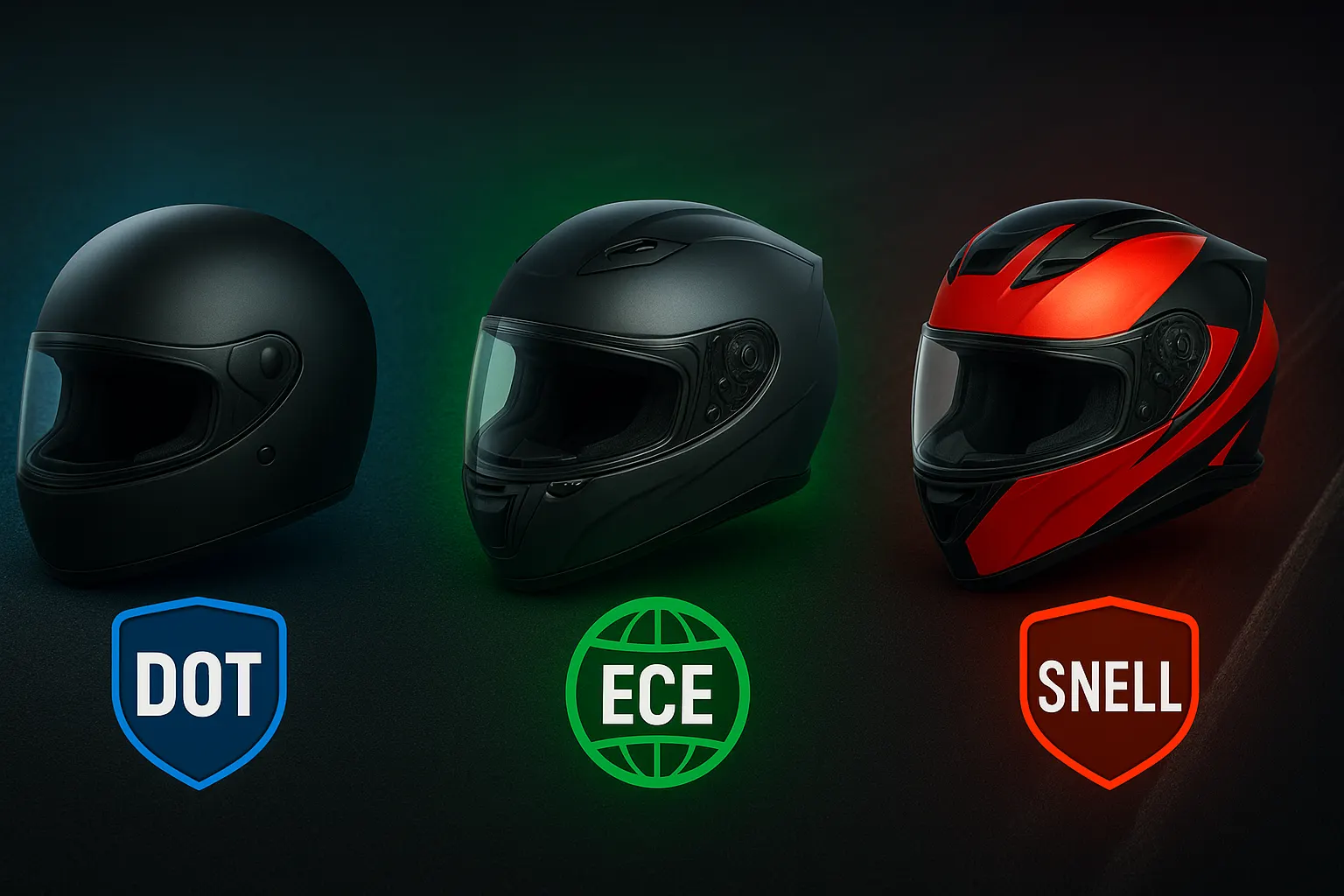
While ECE 22.06 is the standard for road use, many track day organisers and circuits require Snell M2020 certification — or accept it preferentially. Snell tests at higher impact energies suited to the higher speeds of track riding. Always check your specific organiser’s requirements before booking: some accept ECE 22.06 alone, many require Snell, and a few require both. Helmets like the HJC RPHA 1 and Shoei X-SPR Pro carry both certifications, making them safe choices for track use regardless of the organiser’s specific rules.

Full-Face Only

Virtually all track day organisers require a full-face helmet. Modular and open-face helmets are prohibited regardless of certification — the fixed chin bar of a true full-face is considered essential for track use. If your road helmet is a modular like the Shoei Neotec 3 or a convertible like the Shark Evo-One 2, you’ll need a dedicated full-face for track days. This is the most common reason riders are turned away — don’t assume your modular will be accepted.

Condition Matters

Scrutineers inspect helmets for condition. A helmet with significant scratches, cracks, a damaged visor, a frayed retention strap, or signs of previous impact will be rejected. The helmet must also be within its serviceable life — a helmet visibly older than five years, or with a manufacturing date suggesting it’s aged out, may be questioned. Bring a helmet in genuinely good condition, not your oldest beaten-up lid.

Visor and Tear-Offs

A clear or lightly tinted visor in good condition is required — deeply scratched visors that impair vision will be rejected. Some riders use tear-offs (thin disposable films over the visor) for track use; check whether your organiser permits them. A dark visor may be acceptable for bright conditions but bring a clear one as backup — track sessions can run into changing light, and scrutineers may require a clear visor for safety.

FIM Homologation for Racing

If you progress beyond track days into actual racing, the requirements escalate — most racing series require FIM Racing Homologation, a standard above both ECE and Snell. The Shoei X-SPR Pro and similar flagship racing helmets carry this. For ordinary track days this isn’t required, but it’s worth knowing if you plan to progress into competition.

Track Day Helmet Checklist

  • Confirm your organiser’s exact certification requirement — many require Snell M2020
  • Full-face only — modular and convertible helmets are not accepted
  • Helmet in good condition — no significant damage, within serviceable life
  • Clear visor in good condition, plus a backup if using a tinted one
  • Retention strap and buckle in good working order
  • Check tear-off rules with your organiser if you plan to use them