Motorcycle helmet cleaning

Women’s Motorcycle Helmets: Fit, Sizing and What Actually Differs

Are women's motorcycle helmets genuinely different, or is it mostly marketing? We explain what actually varies in fit and sizing, how to find the right helmet, and what to ignore when shopping.

Walk into a motorcycle shop and you’ll find helmets marketed specifically to women — but it’s worth understanding what genuinely differs and what’s simply graphics and marketing. The honest answer is nuanced: some real fit considerations exist, but the most important factors apply to every rider regardless of gender.

Is There a “Women’s Helmet”?

For the most part, helmets are unisex — the same shells and safety structures are certified for all riders. What’s often marketed as a “women’s helmet” is frequently a standard helmet with different graphics, colours, or a smaller size range. That’s not a criticism; it just means you shouldn’t limit yourself to helmets labelled for women. The best helmet for you is the one that fits your head shape correctly, whatever the marketing says.

What Genuinely Varies: Head Shape and Size

The real variable is head shape and size, and here there can be statistical tendencies. On average, some women have smaller head circumferences, which is why size availability matters — brands with a broad size range including smaller sizes (like several HJC and Shoei models) serve smaller heads better. But head shape (round, intermediate, or long oval) varies between individuals far more than it varies by gender. A woman with an intermediate oval head needs an intermediate oval helmet, exactly like a man with the same shape. Measure and identify your shape as our head shape guide explains, then shop by shape and size — not by gender label.

Ponytails and Longer Hair

One genuine practical consideration for riders with longer hair is accommodating it comfortably. Some helmets have interior shapes or channels that handle a low ponytail better, and there are ponytail-specific solutions. This isn’t gender-specific — it applies to any rider with long hair — but it’s a real fit factor worth considering. A helmet that pushes a ponytail uncomfortably against the neck can spoil an otherwise good fit.

What to Prioritise

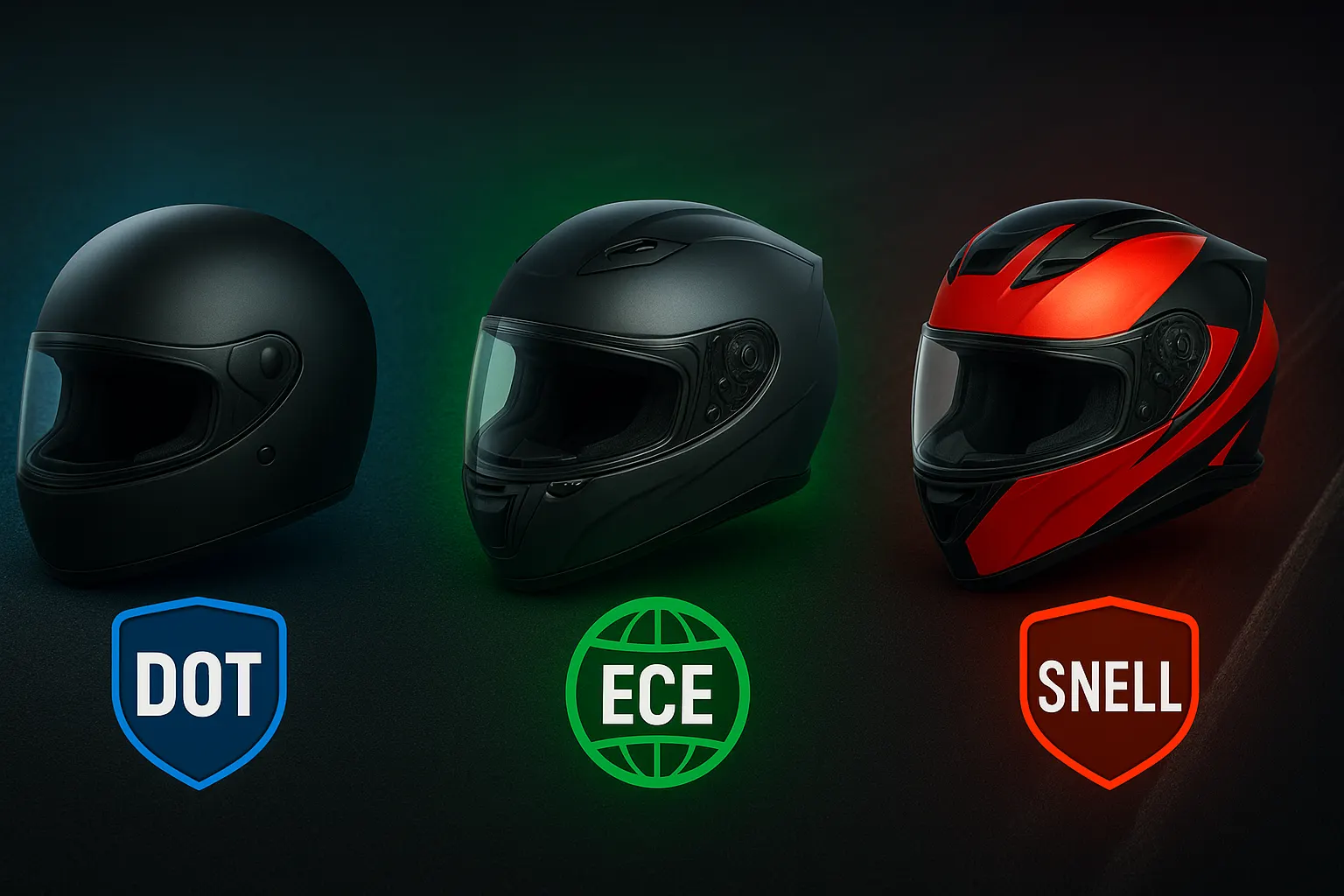
  • Certification first: ECE 22.06 as the baseline — this is identical regardless of who wears the helmet
  • Correct head shape: match the helmet’s oval shape to yours — the single biggest fit factor
  • Correct size: measure your circumference and choose a brand with a size range that fits, including smaller sizes if needed
  • Try before buying: fit is individual — a helmet that suits one person’s head won’t suit another’s, regardless of gender

The Bottom Line

Don’t limit your search to helmets marketed for women — you’ll miss excellent options. Shop by head shape, size, and certification, exactly as any rider should. The “women’s helmet” label is mostly about styling and size availability, not a fundamentally different product. The right helmet is the one that fits your individual head correctly and meets current safety standards.