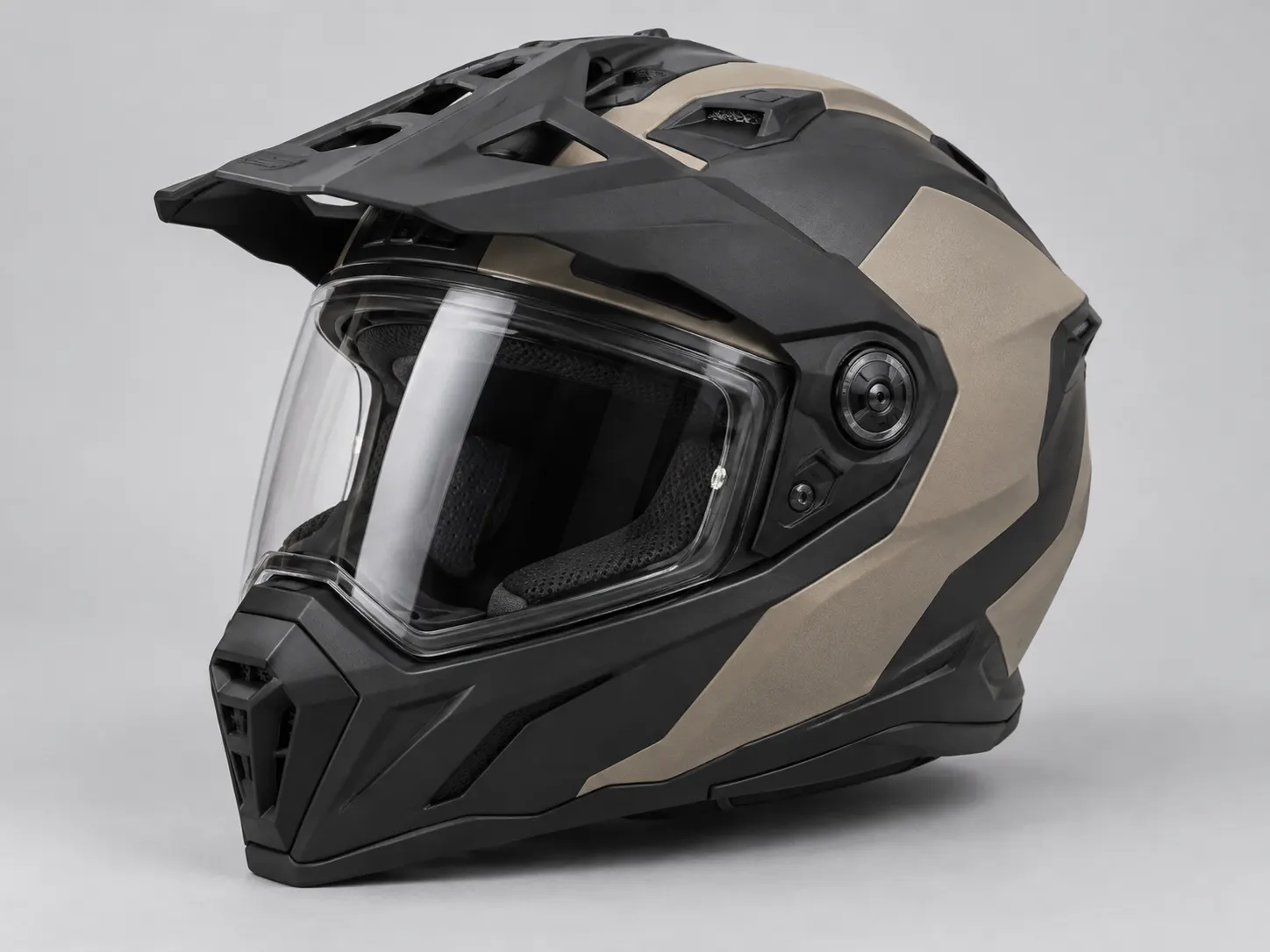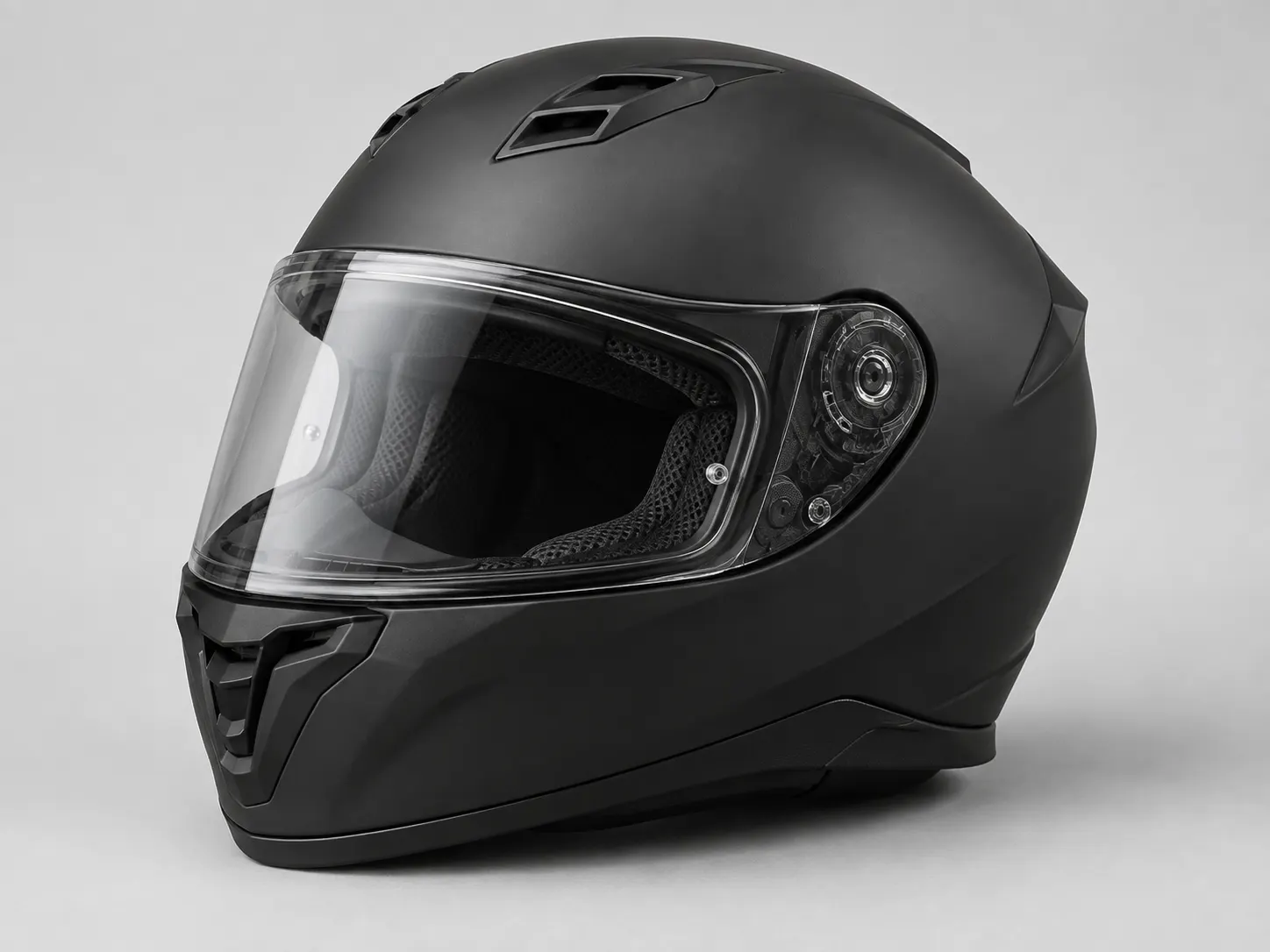
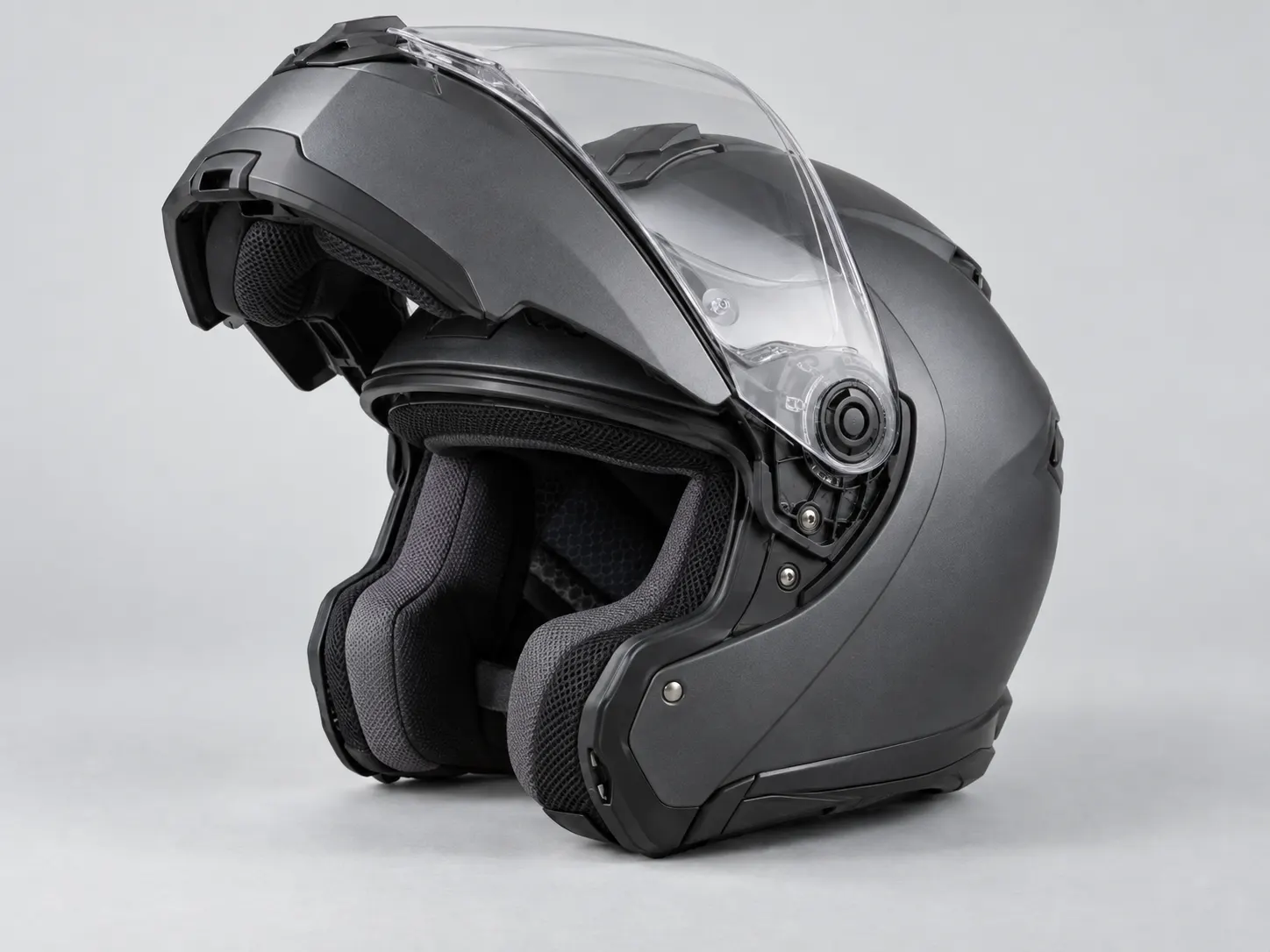
Illustrative image—not the exact model.
Choose the chin-bar layout first. Neotec 3 opens at the chin; GT-Air 3 stays fixed. Both European versions provide an internal sun visor, micro-ratchet fastening and optional SRL3 communications, so those shared features alone will not settle the choice.
The differences at a glance
| Feature | Shoei Neotec 3 — EU | Shoei GT-Air 3 — EU |
|---|---|---|
| Source version | EU | EU |
| Shell | AIM | AIM |
| Documented approval | ECE 22.06, P/J | ECE 22.06 |
| Fastening | Stainless-steel micro-ratchet | Stainless-steel micro-ratchet |
| Internal sun visor | Yes | Yes |
| Chin section | Flip-up / modular | Fixed full-face |
| Outer visor | CNS-3C | CNS-1C |
| Communications | Optional SRL3, sold separately | Optional SRL3, sold separately |
| Manufacturer weight | 1,700 g (Manufacturer: plain-colour size M, ±50 g; graphic finishes may weigh more. European model.) | Size-specific weight not confirmed |
Versions compared: This comparison uses the European Neotec 3 and standard GT-Air 3. GT-Air 3 SMART, Japanese and US versions are separate. Neotec’s P/J designation covers its stated configurations; an open chin bar leaves the lower face exposed.
How to choose between them
Consider Neotec 3 when
You specifically want an opening chin section. Try the release and closure while stationary and confirm that both sides lock correctly.
Consider GT-Air 3 when
You want a fixed chin bar while keeping a sun visor and an SRL3 option. Test the complete helmet rather than assuming it fits like the Neotec.
Compare the complete setup
Use the same eyewear and jacket for both fittings. Ask for helmet, intercom, installation and approved pad adjustments on each quote. A published weight without matching size context should not decide the purchase.
Build your shortlist
Start with our fit checklist, then compare the actual size, equipment and local support available for each model.
Open these versions in the comparison tool.