Motorcycle helmet cleaning

Winter Motorcycle Helmet Guide: Staying Warm, Dry and Fog-Free

Cold-weather riding puts unique demands on your helmet — fogging, cold air ingress, and visibility all become critical. Our winter guide covers what matters and how to stay comfortable when temperatures drop.

Winter riding is some of the most rewarding motorcycling there is — quiet roads, crisp air, and a sense of earning every mile. But cold weather turns minor helmet shortcomings into genuine problems. Fogging that’s a mild annoyance in autumn becomes a safety hazard in winter. Here’s how to set up your helmet for the cold months.

Fogging: The Number One Winter Problem

The temperature differential between your warm breath and a cold visor causes condensation — and in winter this happens constantly, especially at low speeds and when stopped. A Pinlock insert is non-negotiable for winter riding. The double-glazing effect of the sealed air gap between the Pinlock lens and the main visor prevents the temperature differential that causes fogging. The Pinlock 120 Max Vision is the highest grade and worth the small premium for winter use.

Breath Guards and Chin Curtains

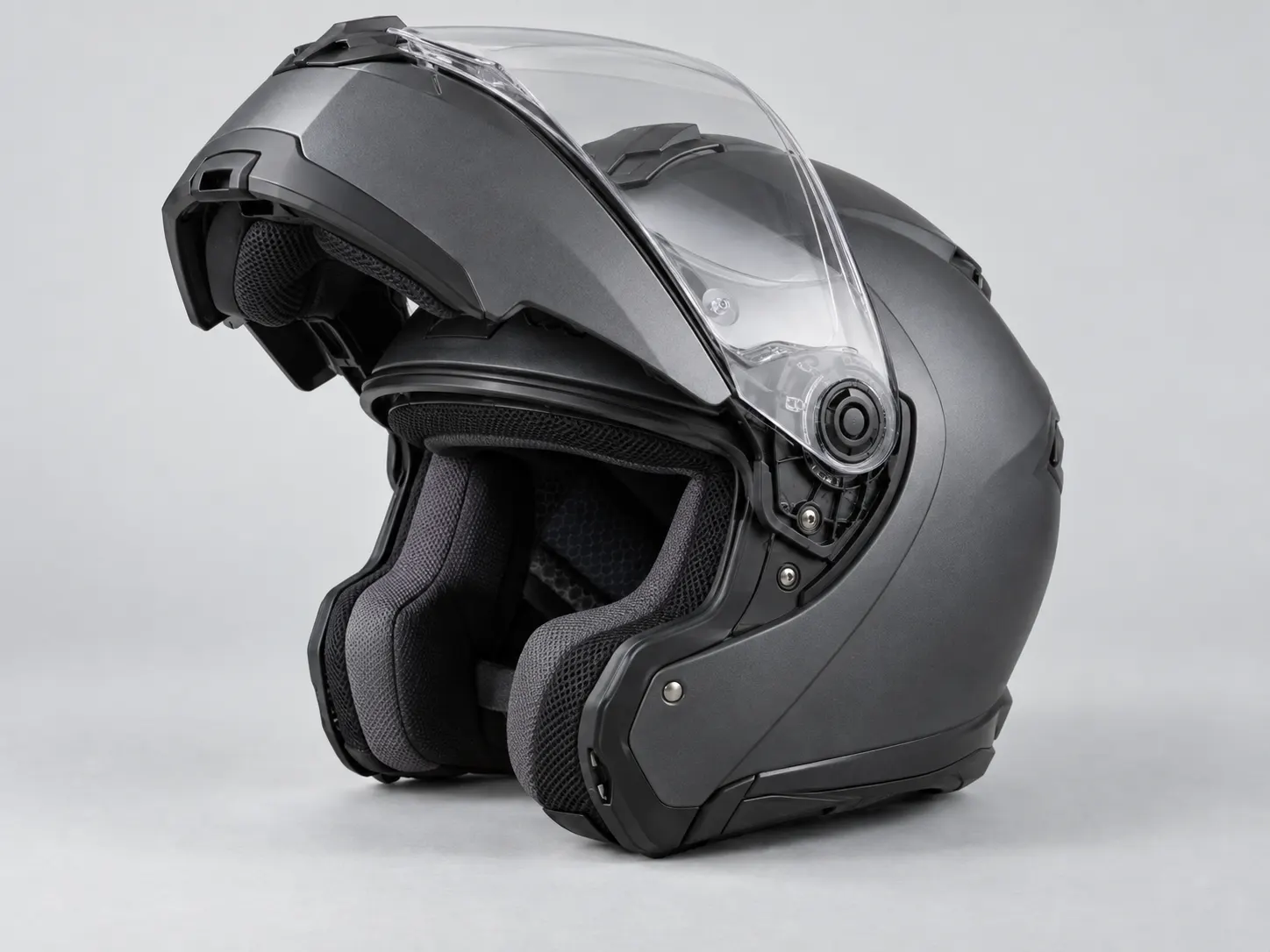
Breath guards redirect your exhaled breath downward and away from the visor, reducing the moisture that reaches the cold surface. Chin curtains seal the gap at the bottom of the helmet, reducing cold air ingress and turbulence. Both are standard on touring helmets like the Shoei GT-Air 3 and Neotec 3. For winter riding, fit both if your helmet supports them — they make a significant difference to both fogging and comfort.

Managing Cold Air Ingress

The aggressive ventilation that’s a virtue in summer becomes a liability in winter. Close your vents — all of them. A well-sealed helmet keeps the interior noticeably warmer. This is one area where touring-focused helmets like the Schuberth C5 excel in winter — their sealed construction that limits summer airflow becomes an advantage when it’s cold.

Balaclavas and Neck Tubes

A thermal balaclava is the most effective winter helmet accessory. It seals the gap at the neck, prevents cold air rising into the helmet, and adds insulation. Look for moisture-wicking thermal fabrics — cotton retains sweat and becomes cold and clammy. Choose a balaclava thin enough not to affect your helmet fit — a helmet that fits correctly without one may become uncomfortably tight with a thick balaclava.

Visor Choice in Low Winter Sun

Winter brings low, blinding sun that sits directly in your eyeline. A clear visor plus an internal sun visor (as on the GT-Air 3 or Neotec 3) is the ideal combination — clear for low light, sun visor dropped for the blinding low sun. Avoid a permanently dark visor in winter — the short days and low light make it dangerous in the late afternoon.

Cold-Weather Pre-Ride Checklist

  • Pinlock insert fitted and seated correctly — check the seal before every winter ride
  • Vents closed — confirm fully shut, not just partially
  • Breath guard and chin curtain fitted if supported
  • Thermal moisture-wicking balaclava that doesn’t compromise fit
  • Clear or photochromic visor — never a dark visor for winter’s short days