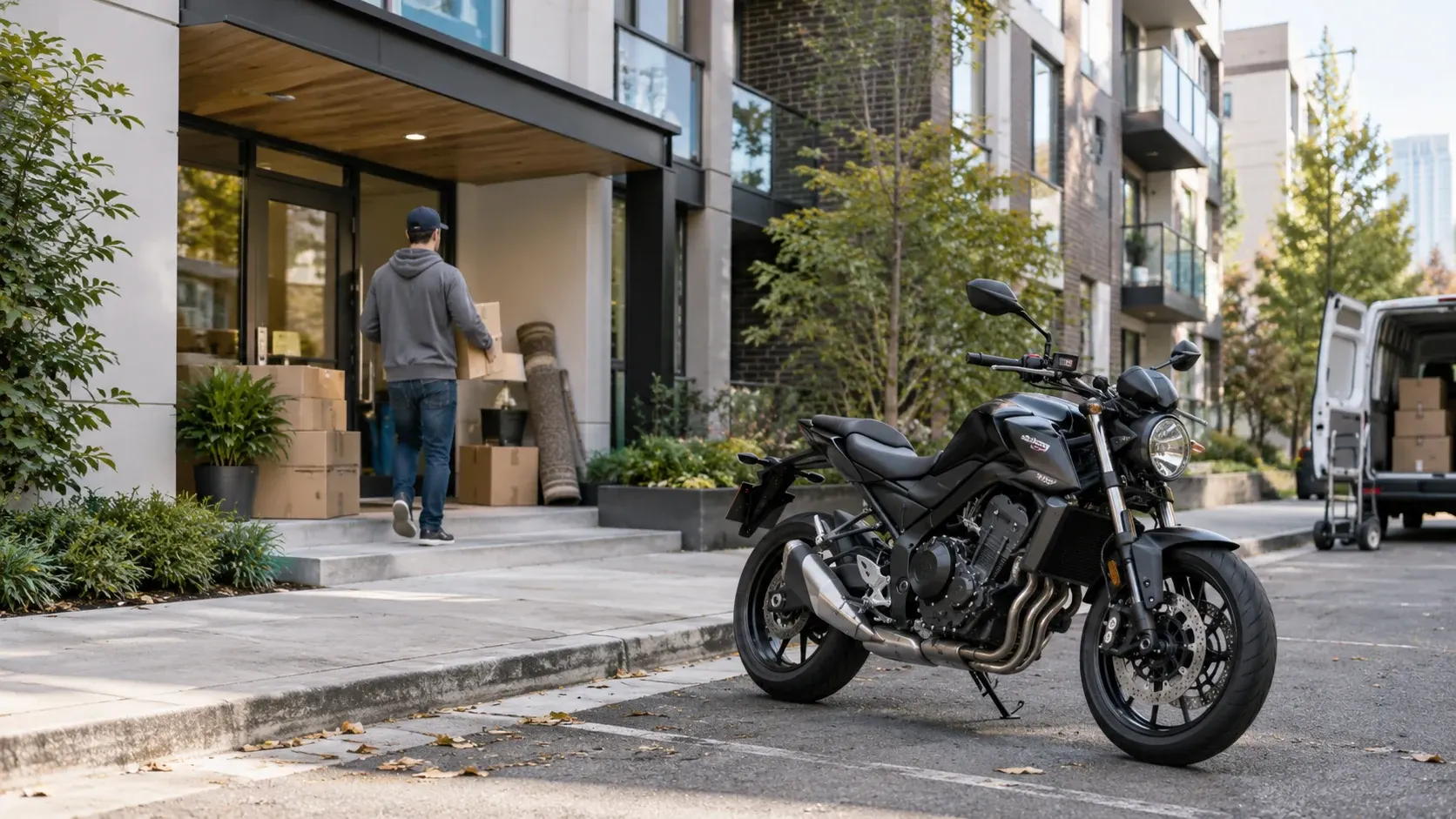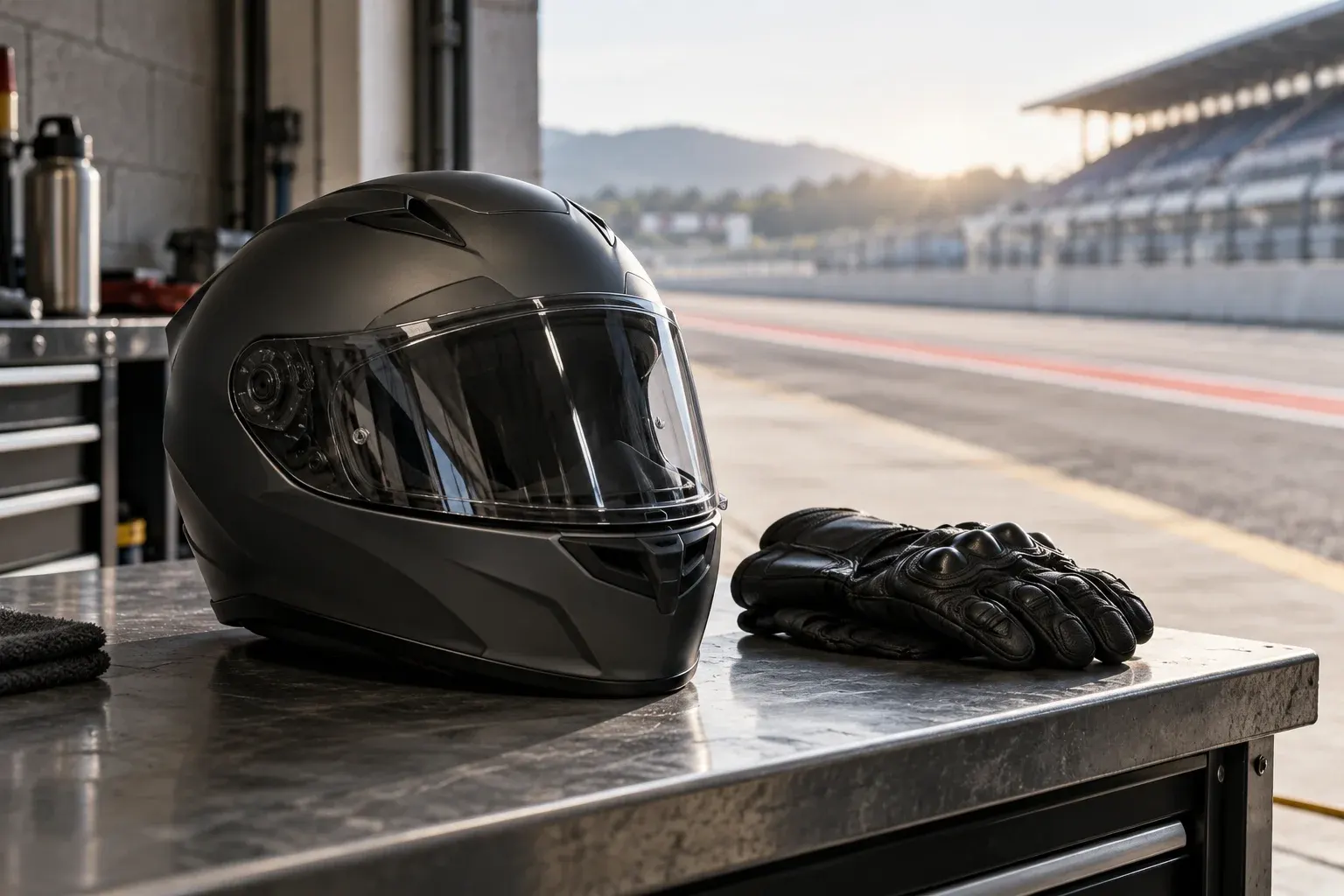
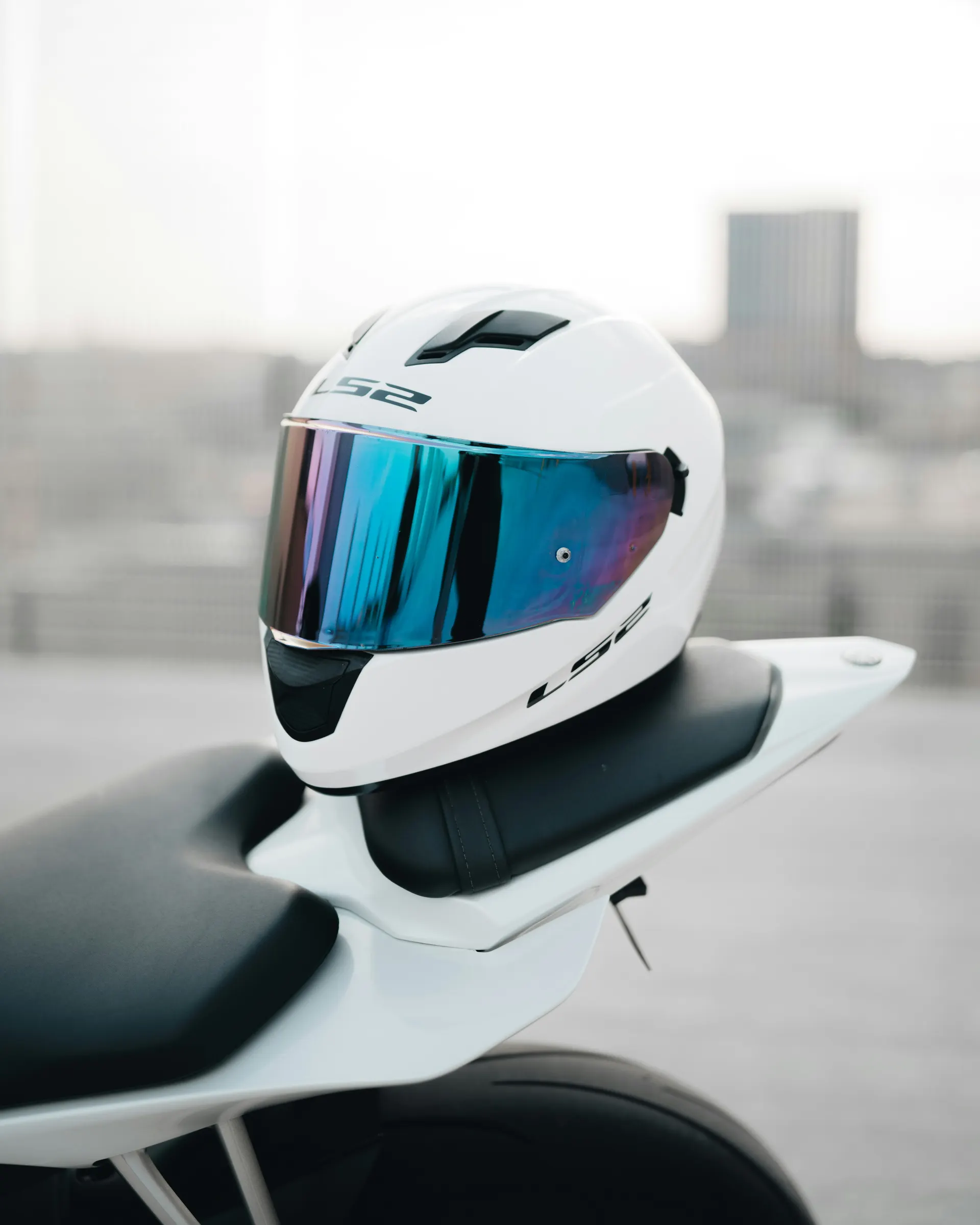
Riding style helps define the equipment you need. It should guide a shortlist, while the exact regional specification and fit determine which candidates remain.
Commuting and road touring
Think about the controls and accessories used every day: clear vision, fastening, glasses and communications. Compare fixed and modular layouts, then price the complete package. For touring, add replacement-part support and overnight care to the checklist.
Adventure and trail journeys
Decide which configurations you will actually use: a shield, compatible goggles or a removable peak. Check the model instructions before assuming that a helmet can change between every arrangement. Mixed journeys benefit from a clear plan for carrying and protecting spare parts.
Track participation
Start with the event organizer’s current equipment rules. Record the required helmet type, approval and any age or condition restrictions before shopping. A road-oriented product description does not establish event acceptance.
One helmet or more than one?
Compare how often each use occurs and the work needed to change the setup. One versatile model may suit your routine; very different requirements may justify separate equipment. Make that decision from the actual use cases and fitting results.
Continue with our related guide or compare helmet specifications.