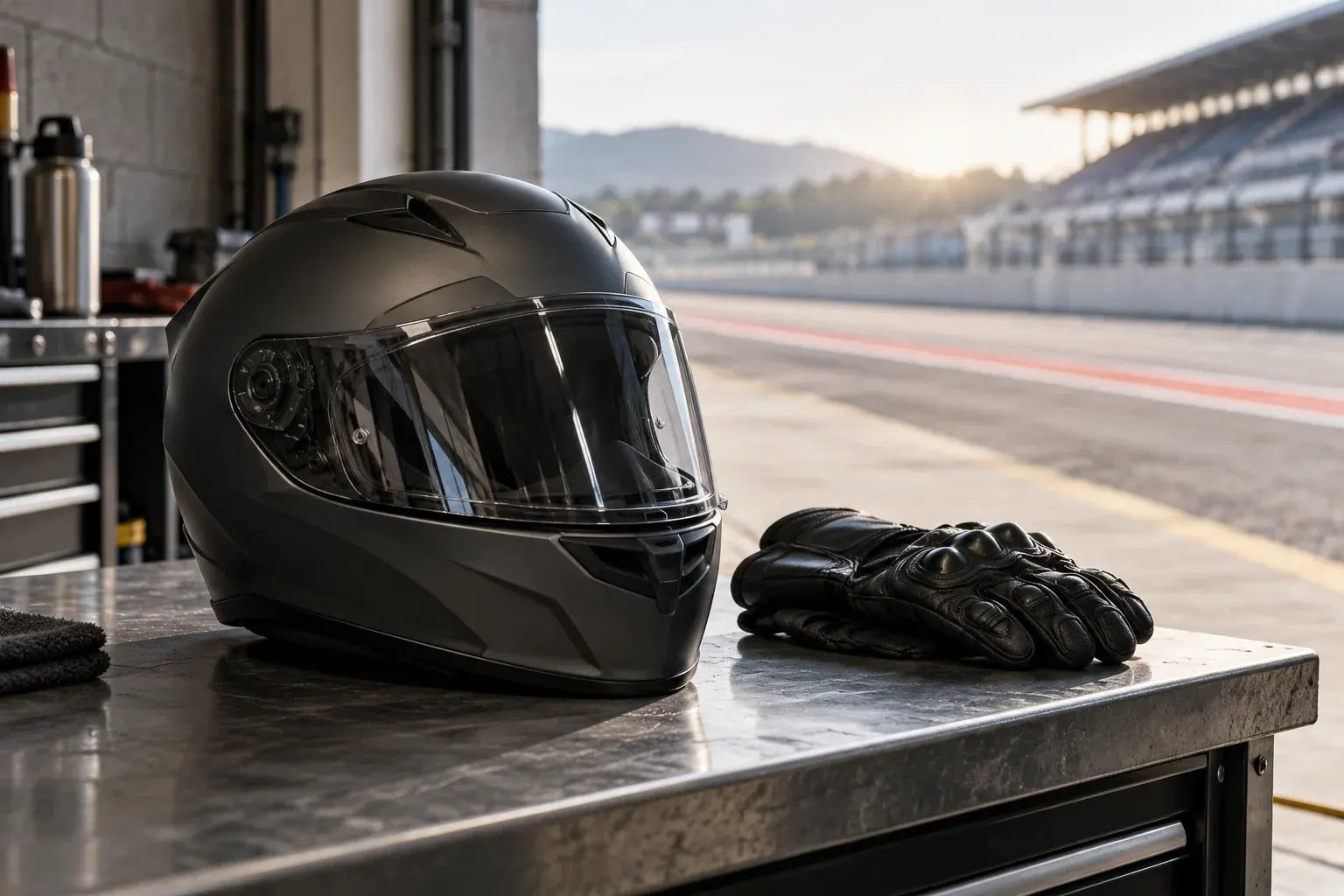
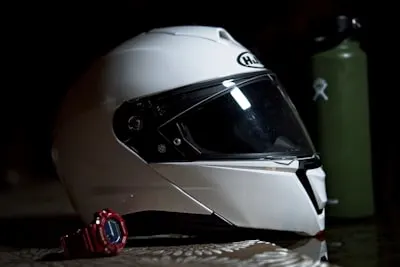
Evaluate fit and ventilation separately. A helmet that feels loose is not a useful way to create airflow, and a large vent count does not describe the complete ventilation system.
Establish the fit first
Complete the manufacturer’s fitting checks before evaluating features. Note any pressure or movement and resolve it with the retailer. Use the same fitting approach for each candidate so airflow preferences do not distract from the basic assessment.
Read the ventilation layout
Look for the documented intake and exhaust positions, adjustable controls and cleaning access. Ask which removable accessories affect the configuration. Use the exact manual; a promotional photo may not show the version or setup being sold.
Try the controls
While stationary, identify the open and closed positions and practise using them with your gloves. Check that compatible communication hardware or other approved accessories do not interfere. Keep the manual available until the controls are familiar.
Maintain the intended system
Clean openings using the approved method and inspect for obstruction during routine care. Avoid drilling additional vents or altering the protective liner. If visibility or comfort becomes a problem during a ride, stop safely to assess the setup.
Continue with our related guide or compare helmet specifications.